Little Shift #8: Don’t Fear the Niche — It Doesn’t Bite!
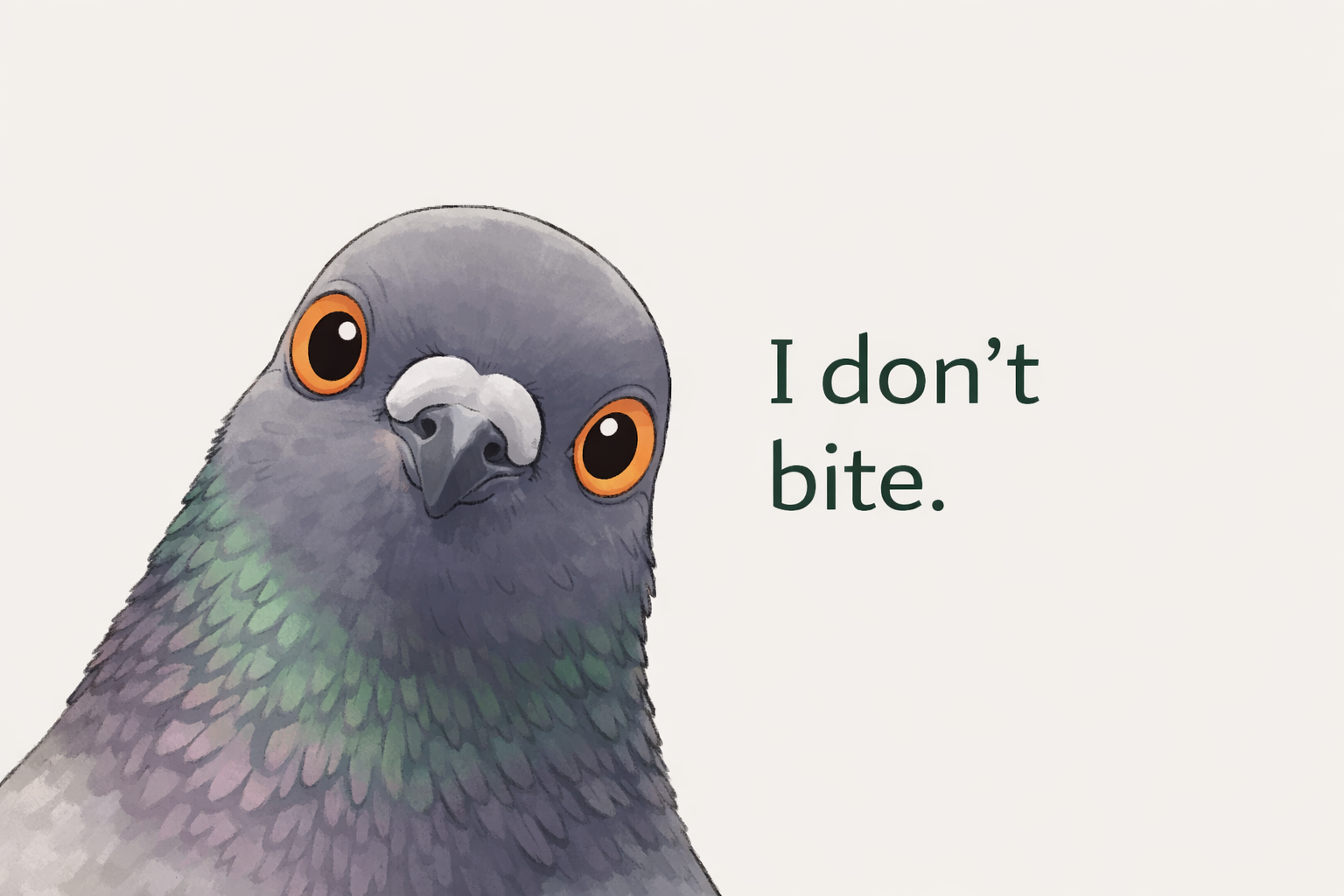
“I don’t want to pigeonhole myself.”
I hear this all the time.
And I get it — the word niche has somehow become synonymous with limitation. Like the moment you get specific, you’re closing doors.
You’re not.
In fact, avoiding the niche is usually what’s holding people back.
Because here’s what I see happen over and over again: when your message is broad, people struggle to see themselves in it. And when they can’t see themselves in your work, they don’t reach out — even if you’re exactly who they need.
So no, the niche doesn’t bite.
But vagueness does.
Differentiation isn’t about saying no to work. It’s about making it easier for the right people to say yes to you.
Most people describe their work in general terms. “I help leaders grow.” “I support teams through change.” “I coach executives.” All true. And also… easy to scroll past. There’s nothing for someone to grab onto, nothing that signals this is for me.
The shift isn’t about rewriting everything you do. It’s about getting a little more honest about where your work actually lands best. Who do you love working with? Where have you seen the most impact? What kinds of challenges do you find yourself coming back to again and again?
Not forever. Not exclusively. Just right now.
Because when you say something like, “I work with HR leaders navigating post-merger integration,” or “I support first-time executives stepping into enterprise roles,” something changes. Your audience doesn’t have to translate your work into their world — you’ve already done that for them.
That’s what the niche actually does.
It clarifies. It doesn’t confine.
And that clarity should carry through everything you put out into the world.
The way you write about your work.
The way you invite people into conversations.
The way you describe what you see happening inside organizations.
Instead of broadly inviting people to “join your next leadership session,” you’re saying, “This is for senior leaders in fast-growing tech companies who are navigating rapid change and need their teams to stay aligned.” You’re not excluding others. You’re signaling relevance. The right people feel that immediately.
The same goes for how you share your thinking. The fastest way to differentiate yourself isn’t by sounding more polished — it’s by sounding more specific. Reflecting your clients’ reality back to them. Naming the patterns you see. Using the language they use in meetings.
“The team wasn’t disengaged — they just weren’t aligned on the right priorities.”
“The leader thought it was a systems issue. It wasn’t. It was a capability gap.”
When someone reads that and thinks, that’s exactly what I’m dealing with, you’ve already built trust before you’ve ever spoken to them.
Even something as simple as how you frame an event becomes an opportunity to differentiate. “This is for leaders” lands very differently than “This is for nonprofit executives navigating resource constraints and growing team demands.” Same offering. Completely different level of clarity.
Because the niche doesn’t limit you.
It’s helping the right people recognize themselves.
And then there’s tone — one of the most overlooked parts of all of this.
A SaaS founder, a CHRO, and a finance leader might all benefit from your work, but they don’t speak the same language. What they care about, how they describe their challenges, what feels urgent to them — it all differs.
Differentiation isn’t about changing who you are, it’s about translating your work into what matters to your clients.
Here’s the part that I think people need to hear most:
You don’t lose opportunities by being clear. You lose opportunities by being vague.
Because when your work could apply to anyone, it resonates with no one. But when it’s grounded in a specific audience, problem, or context, it becomes easier to understand, easier to talk about, and easier to say yes to.
And you’re not boxed in.
You can still take on adjacent work. You can still evolve. You can still grow.
That’s the part people miss when they say, “I don’t want to pigeonhole myself.”
Your niche doesn’t create a cage. It creates a point of entry.
—
Trying to figure out where to start? Here’s 3 things you can do now to lean into differentiation:
Start with how you talk about your work.
Take whatever you usually say — “I coach leaders,” “I support teams,” “I do leadership development” — and pressure test it. Who specifically is this for? Where does your work land best right now? Try rewriting one sentence this week that names your audience more directly. Not perfectly. Just more clearly. That one shift alone can change how people hear you.
Look at what you’re putting out into the world.
Instead of sharing general insights, share something that sounds like your clients. A moment, a pattern, a tension you’ve seen show up across conversations. Not a polished case study — just a real reflection. The goal isn’t to impress people, it’s to make someone stop and think, that’s exactly what I’m dealing with. That’s what builds connection.
Invite people in.
Whether it’s a workshop, a conversation, or even a casual reach-out — make it clear who it’s for. Not “leaders,” not “teams,” but which leaders, in what context, navigating what challenge. You’re not closing the door on others. You’re making it easier for the right people to walk through it.
You don’t need to be everywhere or appeal to everyone.
You just need to be recognizable to the people who need your work most.
Because the niche doesn’t bite.
But staying vague?
That’s what keeps people from finding you.
Want to dive deeper and practice live?
Join the Little Shift Labs: The Niche Doesn’t Bite
When: May 11 @ 12pm ET
Where: Virtual